How Pregnancy and Breastfeeding Affect Breast Lift Results
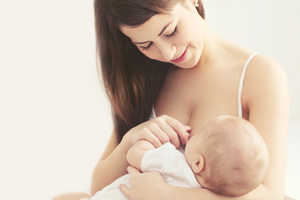 Pregnancy and breastfeeding can significantly alter the results of a breast lift by causing changes in breast volume, skin elasticity, and tissue position. Women who are planning future pregnancies are generally advised to postpone a breast lift until after they are done having children to preserve long-term results.
A breast lift, known medically as a mastopexy, can be a transformative plastic surgery procedure, restoring a more youthful, lifted contour to breasts that have lost their shape due to aging, weight fluctuations, or the natural effects of gravity. But for women in their childbearing years, one question comes up again and again: What happens to my results if I get pregnant or breastfeed after a breast lift?
It’s an important question, and one worth exploring in depth before making any surgical decisions.
What a Breast Lift Actually Does
A breast lift can remove excess skin, reshape the breast tissue, and reposition the nipple-areola complex to a higher, more youthful location on the chest. This procedure does not significantly change breast volume—that’s the domain of breast augmentation or breast reduction. What it can do is address sagging (ptosis) and restore firmness and shape.
The results can be stunning and long-lasting if the body remains relatively stable after surgery. Pregnancy and breastfeeding, by their very nature, are anything but stable for breast tissue.
How Pregnancy Changes the Breasts
During pregnancy, surging levels of estrogen and progesterone cause the breasts to grow, often dramatically. Glandular tissue expands, fat is redistributed, and the skin stretches to accommodate the increased volume. For some women, breasts may increase by one or two cup sizes or more.
This expansion places real stress on the skin and ligaments that support breast tissue, which are the very structures a breast lift can tighten and reposition. As the skin stretches again, the lifted contour can begin to descend, and the firmness achieved through surgery may soften or diminish.
The Impact of Breastfeeding
Breastfeeding can compound these changes. The repeated cycles of milk production, engorgement, and then involution (the process by which the breast tissue shrinks back after weaning) can leave the breasts deflated and lower than they were before nursing began. This effect can vary widely from woman to woman. Some experience minimal changes, while others notice significant volume loss and increased ptosis.
A common concern is whether a prior breast lift will interfere with the ability to breastfeed. With some techniques, a mastopexy can preserve the milk ducts and nipple sensation, so breastfeeding remains possible. However, it’s worth discussing your specific surgical plan and goals with your surgeon beforehand.
Timing: The Critical Factor
This is where surgical planning becomes essential. Board-certified plastic surgeon Robert Rothfield, MD advises patients to carefully consider their family planning timeline before scheduling a breast lift. If there is a reasonable likelihood of future pregnancies, waiting until after those pregnancies and breastfeeding is complete is almost always the better approach.
This isn’t to say that a breast lift performed before pregnancy is impossible. Many women do maintain satisfactory results, but the degree to which pregnancy affects surgical outcomes is largely unpredictable and some patients find themselves wanting breast revision surgery after having children. By waiting, you can minimize that uncertainty and give yourself the best possible foundation for results that last.
What If You’ve Already Had a Breast Lift?
If you’ve already undergone a mastopexy and then become pregnant, don’t panic. Focus on staying healthy, managing weight gain within your doctor’s recommended guidelines, and keeping your skin well-moisturized. After you’ve finished breastfeeding and your breast tissue has had time to stabilize, typically six months to one year after weaning, you can consult with your surgeon to assess your results and discuss whether any refinements are desired.
In some cases, a secondary lift or minor revision is all that’s needed to restore the original outcome. In others, women are pleasantly surprised to find their results are still largely intact.
Having an Honest Conversation with Your Surgeon
Every woman’s body responds differently to pregnancy and lactation. Skin elasticity, genetic factors, the number of pregnancies, and how much breast volume changes all play a role in determining how significantly a breast lift is affected. There’s no universal answer, which is why a personalized consultation is so important.
A thorough pre-surgical conversation should include your plans for having children, your breastfeeding intentions, and your long-term aesthetic goals. This allows your surgeon to give you realistic expectations and help you time your procedure for the best possible outcome.
Key Takeaways
- Pregnancy and breastfeeding can reverse breast lift results through skin stretching, tissue expansion, and post-nursing deflation.
- Breastfeeding after a breast lift is generally still possible, as certain mastopexy techniques may help preserve milk ducts and nipple function.
- Women who wait until after having children tend to enjoy longer-lasting results.
- Revision options are available, but waiting six months to one year after weaning allows tissue to stabilize before reassessing.
If you’re considering a breast lift and want to understand how your family planning goals may affect your results, now is an ideal time to seek expert guidance. Contact our office to schedule a personalized consultation with Dr. Rothfield and take the first step toward achieving results that last.